

Security teams are drowning in network traffic these days. Basic firewall rules don’t cut it when attackers slip through the cracks every hour. Machine learning helps by doing the heavy lifting, it spots the difference between Bob in accounting downloading his usual reports and someone trying to sneak data out at 3 AM.
No more jumping at every alert or missing real threats while chasing down false ones. Stick around to see exactly how this tech keeps the bad guys out.
Key Takeaway
- Machine learning builds a baseline of normal network activity to detect suspicious behavior.
- ML analyzes traffic in real-time to catch anomalies that signal attacks.
- Automated ML-driven responses reduce incident handling times and alert fatigue.
The Growing Need for Advanced Threat Detection
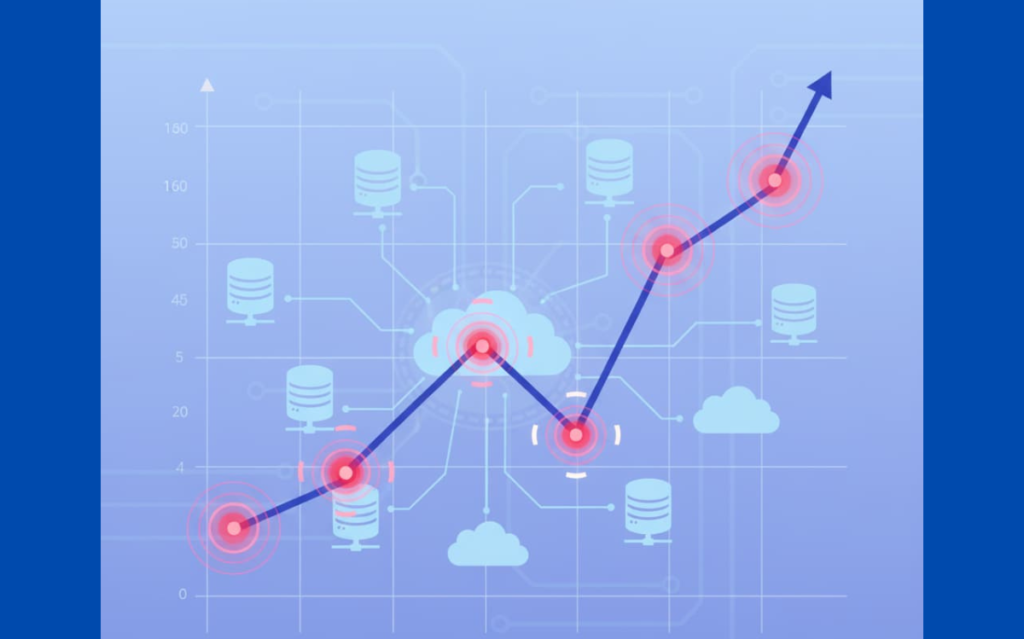
Cybercrime hits closer to home every year. We’ve watched countless companies scramble after discovering breaches that lurked unnoticed for months. Traditional defenses, firewalls, antivirus software, basic IDS, they’re like trying to catch modern thieves with old-school padlocks. These tools search for known threats but miss the sneaky new ones.[1]
The numbers tell a grim story: attacks keep rising while security teams drown in alerts. Our analysts spend hours combing through logs, most turning out to be false alarms. Bad actors hide in encrypted traffic, making detection even harder. Networks need protection that thinks ahead, not just reacts. Machine learning-powered NDR gives us that edge.[2]
What is Network Detection and Response (NDR)?
Network Detection and Response watches traffic patterns 24/7, but not like old-school monitoring. While traditional tools rely on fixed rules (like blocking specific IP addresses), what is network detection response NDR learns what “normal” looks like for each network. We’ve seen it catch threats that slipped past other defenses by spotting subtle behavior changes.
The real power comes from connecting the dots. NDR tracks how users and devices interact over time, building a clear picture of network activity. This helps catch complex attacks, like when someone compromises one system then moves sideways through the network. Our team regularly spots these patterns in seemingly innocent traffic that other tools miss. The visibility proves essential when threats try to blend in with regular operations.
How NDR Leverages Machine Learning: A Detailed Breakdown
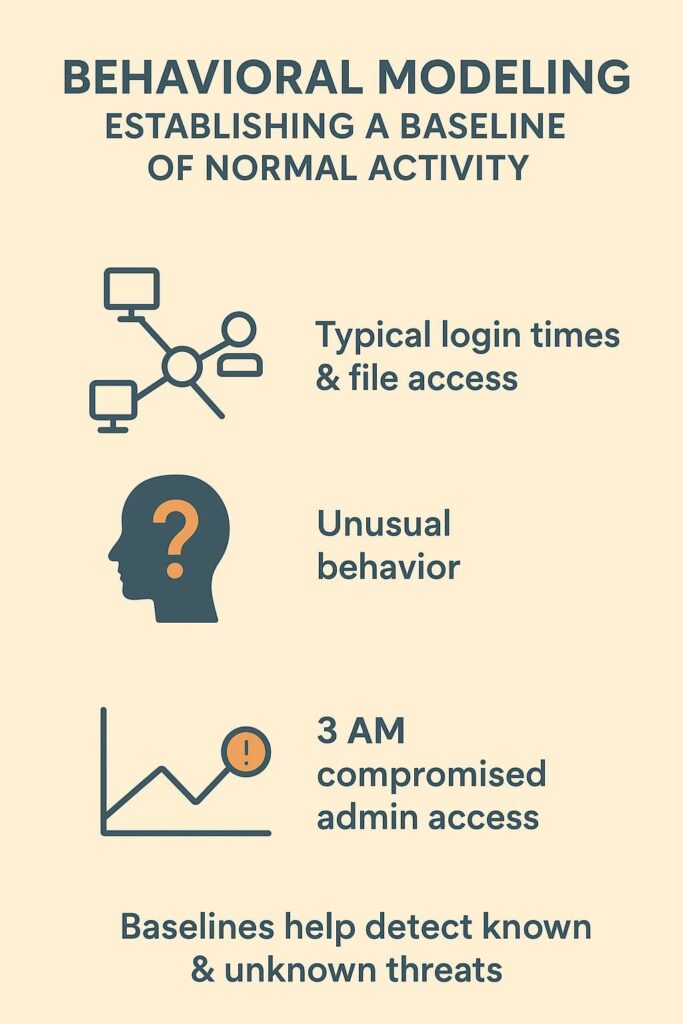
Behavioral Modeling: Establishing a Baseline of Normal Activity
Every network has its own rhythm. Our ML systems learn these daily patterns, which computers talk to each other, when people log in, and what files they usually access. This is part of the key capabilities of NDR platforms that enable advanced behavioral analytics and anomaly detection. Something’s up when the barista spots an unfamiliar face acting weird.
Take last month’s case: we caught a compromised admin account trying to access payroll data at 3 AM. That’s the kind of odd behavior that jumps out when you know what normal looks like. These baselines mean we’re ready for both known threats and nasty surprises.
Anomaly Detection: Identifying Deviations from the Norm
The real magic happens when ML spots something fishy. Our team remembers a case where a printer suddenly started sending gigabytes of data overseas, definitely not normal printing behavior. ML caught it within minutes, while traditional tools saw nothing wrong.
Red flags we watch for:
- Random data spikes (like that printer incident)
- Mystery devices showing up
- Weird traffic patterns
- Off-hours activity spikes
Threat Pattern Recognition: Mapping Activities to MITRE ATT&CK
Bad actors leave breadcrumbs, even when they try to be sneaky. We’ve mapped thousands of attack patterns to frameworks like MITRE ATT&CK. Last quarter, this helped us spot a ransomware attempt before it could encrypt anything, the attack steps matched a pattern we’d seen before.
Nobody uses just one trick anymore. Attackers switch up their tools, but their habits stick around. Our ML connects these dots faster than any human could.
Reduction of False Positives: Prioritizing Suspicious Alerts
Security teams hate alert fatigue, we’ve been there. Nothing worse than chasing false alarms while real threats slip by. Our ML now knows the difference between Bob in accounting downloading his usual reports and actual suspicious behavior.
Case in point: Last week’s system backup triggered unusual traffic patterns. Old systems would’ve screamed bloody murder, but our ML recognized it as routine maintenance.
Correlation and Contextualization: Building Attack Narratives
Single alerts don’t tell the whole story. We’ve seen attackers spread their tracks across days or weeks. ML pieces together these breadcrumbs, a weird login here, some odd file access there, painting the bigger picture of what’s really going down.
During a recent incident, scattered alerts across three departments seemed harmless alone. Connected together? They revealed someone mapping out our client’s network for an attack.
Encrypted Traffic Analysis: Maintaining Security Visibility
Encryption’s great for privacy but perfect for hiding attacks too. We’ve developed ways to spot bad behavior without breaking encryption. Think of it like noticing someone’s suspicious body language without hearing what they’re saying.
Our systems caught malware callbacks hiding in encrypted streams last month, no decryption needed. The patterns stuck out like a sore thumb once you knew what to look for.
Automated Insights and Response: Reducing Incident Response Times
Speed kills attacks dead. When our ML spots something sketchy, it can act fast, like quarantining infected machines before malware spreads. Last week, it caught and isolated a compromised laptop before the attacker could pivot to other systems.
The best part? This happens automatically, 24/7. No waiting for someone to check emails or wake up for alerts. We’ve seen response times drop from hours to minutes.
The Benefits of ML Driven NDR
Credits: Vectra AI
Looking back at hundreds of deployments, the advantages jump right out. ML doesn’t just spot threats – it learns from every incident, getting sharper over time. Our clients report catching sneaky attacks that slipped past their old tools for months, thanks to network detection response NDR solutions that combine machine learning with real-time monitoring.
Security teams love the speed boost. When ransomware hit one of our healthcare clients, automated responses locked down critical systems in seconds. No waiting for someone to check their phone at 3 AM. These quick reactions saved them millions in potential damages.
The best part? Way fewer false alarms. One client’s team went from chasing 100+ alerts daily to handling just the serious ones. They actually get to sleep through the night now. We’ve watched ML turn overwhelming data streams into clear, actionable insights that even non-technical executives understand.
Implementing Machine Learning in Your NDR Strategy

Picking the right ML solution feels like dating, compatibility matters. We help clients find platforms that mesh with their setup and actually solve their problems, not just add fancy features they’ll never use.
The tech needs to play nice with existing tools. During a recent rollout, we connected the ML system with the client’s SIEM and ticketing system. Now their analysts get unified alerts instead of jumping between screens all day.
Here’s something most vendors won’t tell you: buying cool tech isn’t enough. We spend serious time training teams to understand what ML can (and can’t) do. Analysts need to trust the system but know when to dig deeper. Last month, this saved a client when an analyst spotted something the ML flagged as “probably fine” but felt off. Turned out to be an insider threat.
FAQ
How does NDR machine learning help me understand what’s normal on my network?
NDR machine learning builds a baseline behavior modeling profile by studying everyday traffic. It uses network behavior analysis, anomaly detection NDR, and pattern recognition network tools to notice small changes. With network traffic machine learning and network anomaly baseline checks, it spots suspicious activity ML detection early. This makes it easier to understand weird actions before they turn into real trouble.
Can machine learning network detection catch new threats that don’t have known signatures?
Yes. Machine learning network detection uses anomaly detection models, AI network security, and zero-day attack detection ML to find strange behavior even when attackers use new tricks. Real-time threat detection ML, adaptive threat detection, and unsupervised learning NDR help catch cyber attack pattern ML signals that older tools may miss. It’s a simple way to stay ahead of fast-changing threats.
How does machine learning improve automated threat detection and response in NDR tools?
Machine learning cybersecurity helps NDR tools react faster. With automated threat detection, ML threat hunting, and machine learning incident response, the system can highlight risks sooner. Threat response automation ML and ML-based alert prioritization help sort urgent problems first. Combined with network telemetry ML and ML event correlation NDR, teams get quicker help during fast-moving situations.
Can NDR AI behavioral models help me detect hidden attackers moving inside the network?
NDR AI behavioral models use lateral movement detection ML, network intrusion detection ML, and suspicious activity ML detection to track quiet attackers. With network behavioral modeling, anomaly scoring NDR, and network data pattern ML, it notices moves that don’t fit normal behavior. These tools help find threats hiding deep in the network where simple alerts may fail.
How does machine learning network traffic analysis improve visibility across encrypted or busy networks?
Machine learning network traffic analysis works with encrypted traffic analysis ML, network security predictions, and ML cybersecurity analytics to spot strange patterns. It uses feature extraction ML cybersecurity, neural networks NDR, and machine learning network visibility tools to understand traffic flows. Continuous learning NDR and AI-driven security improve network event detection ML so teams see risks sooner, even in noisy environments.
Wrapping Up How NDR Uses Machine Learning
Threat detection needed an upgrade, and machine learning was delivered. After testing hundreds of security tools, we’ve seen ML-powered systems catch attacks that old-school methods missed completely. It’s like having a security team that never sleeps, learning from every incident.
Our clients sleep better knowing their networks have smart defenses running 24/7. Want to stop playing catch-up with cybercriminals? Let’s talk about making your security work smarter.
See how modern ML-driven threat modeling works in the real world, join the demo here!
References
- https://wp.table.media/wp-content/uploads/2024/07/30132828/Cost-of-a-Data-Breach-Report-2024.pdf
- https://ir.zscaler.com/news-releases/news-release-details/zscaler-finds-over-87-cyberthreats-hide-encrypted-traffic