

Identifying potential attack vectors network teams should care about means mapping how attackers could enter, move, hide, and reach valuable systems before an incident. It connects threat modeling, asset context, traffic visibility, and detection gaps into one practical review.
For SOC teams, security architects, and risk teams, this work helps turn vague exposure into clear defensive action. Keep reading to learn how to identify realistic network attack vectors without getting buried in noise.
Identifying Potential Attack Vectors Network Reality Check
- Most network attack vectors are not obvious from a vulnerability scan alone. A scanner may show weak software, but it rarely explains how an attacker could chain access, identity, trust, and traffic paths together.
- Your real network is usually messier than your documented network. Forgotten firewall rules, unmanaged devices, shadow services, stale VPN access, and cloud links often create paths that diagrams miss.
- Attack vector identification only matters if it changes defensive action. The goal is not to create a long list of possible threats; it is to prioritize the paths most likely to affect critical assets.
Understanding Potential Network Attack Vectors
A network attack vector is a path or method an attacker could use to gain access, move across systems, steal data, disrupt services, or stage the next step of an intrusion.
That sounds simple. In practice, it gets messy fast.
A single exposed service may not look severe on its own. A weak service account may look like a routine identity issue. A flat network segment may seem acceptable because “nothing sensitive lives there.” Then an attacker links those pieces together. One small gap becomes a working attack path.
“Any kind of malicious activity that attempts to collect, disrupt, deny, degrade, or destroy information system resources or the information itself.”
— NIST CSRC Glossary – Cyber Attack
A practical review doesn’t stop at “what is vulnerable?” It asks, “What can an attacker actually reach, and what would we see if they tried?”
That shift matters. Many teams have long vulnerability lists but weak attack path visibility. They know which systems have findings, but not which findings create real movement toward sensitive data, domain control, production systems, or business disruption.
Potential Attack Vectors Matter for Network Threat Detection
Network threat detection works better when teams understand the paths an attacker is likely to use. Raw alerts without asset context can waste analyst time. A failed login on a low-risk test box is not the same as repeated access attempts against a jump server that connects to production.
Good detection logic needs context.
Strong visibility should come before detection rules. Teams need to know what network threat detection can actually see across traffic, assets, and suspicious behavior.
In network-focused environments, teams often miss attack vectors because data lives in separate places:
- Asset inventory sits in one tool.
- Vulnerability results sit in another.
- Firewall rules live with the network team.
- Identity data lives with IT.
- Alerts land in the SIEM.
- Packet, flow, DNS, and proxy data sit somewhere else.
An attacker doesn’t care about those tool boundaries. They care about reachable systems, valid credentials, weak controls, and quiet paths.
Identifying potential network attack vectors helps SOC and NTD teams answer practical questions:
- Which assets matter most?
- How can those assets be reached?
- Which paths bypass normal controls?
- Where could lateral movement happen?
- Which detections already cover those paths?
- Which attack paths have no useful alerting?
- Which risks need access changes, not more alerts?
Without that review, detection coverage becomes guesswork. Teams may tune rules around common threats while missing the paths that matter most in their own network.
Key Steps for Identifying Potential Network Attack Vectors
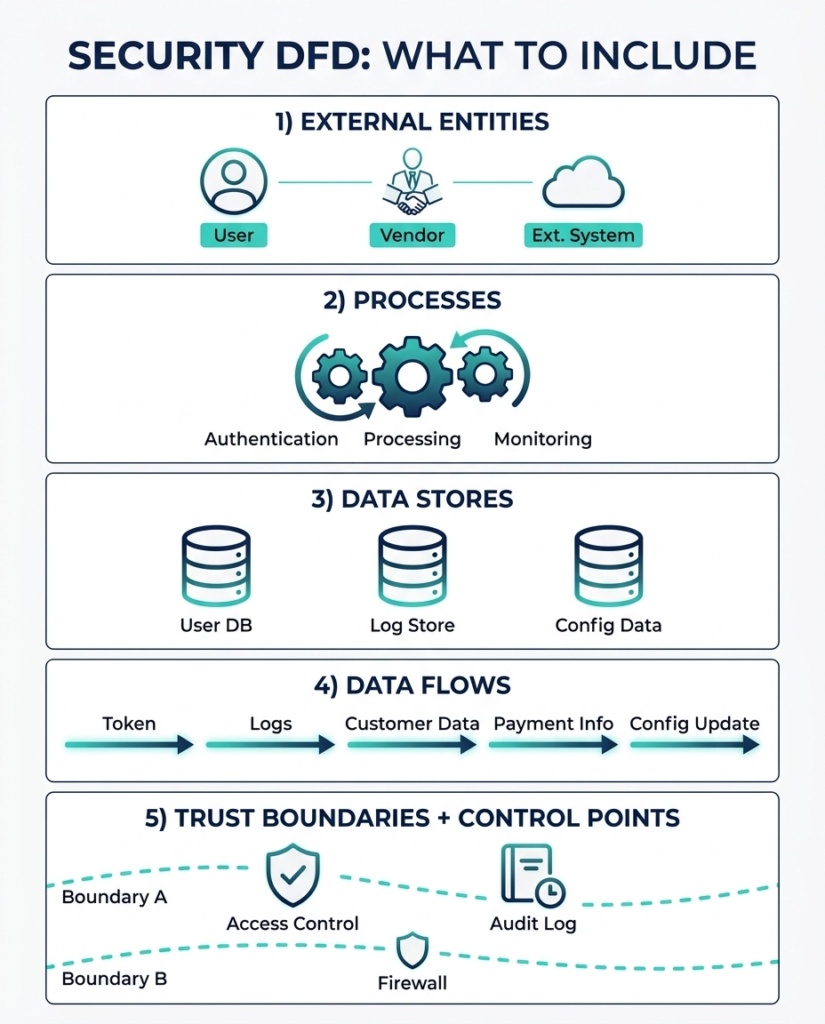
A useful attack vector review starts with the environment, not with a generic threat list. Attackers may reuse common tactics, but the real risk depends on how your network is built.
This process also supports proactive threat detection because teams are looking for likely attack paths before an alert becomes an active incident.
Start with critical assets
Begin with the systems that would cause real damage if compromised.
Examples include:
- Domain controllers
- Identity providers
- File shares with sensitive data
- Backup systems
- Production servers
- Cloud control planes
- Security tools
- Payment or customer data systems
- Remote access gateways
- Admin jump boxes
Asset criticality scoring helps here. Not every system deserves the same attention. A forgotten lab server may matter if it can talk to production. A public-facing app may matter more if it stores credentials or connects to internal databases.
A practical question works well: “If this asset were compromised, what could the attacker do next?”
Map how assets are reachable
Reachability is where many reviews get interesting. Network diagrams often show approved architecture. Traffic logs show what is actually happening.
Look for:
- Allowed inbound paths
- Internal routes between segments
- VPN access groups
- Firewall allow rules
- Cloud-to-on-prem connections
- Admin access paths
- Third-party tunnels
- Shared services such as DNS, LDAP, SMB, and database ports
Old firewall rules are a common problem. A temporary rule gets added during a migration, nobody removes it, and months later it becomes a quiet route between two zones that should not talk.
That kind of gap rarely shows up in a clean architecture slide.
Review internet-facing exposure
Internet-facing assets deserve special attention because they can become initial access vectors.
Check for:
- Exposed login portals
- Remote management interfaces
- Unpatched edge devices
- Legacy web applications
- Public cloud services
- Open storage or database endpoints
- Test systems exposed by mistake
- Services using weak authentication
Attack surface analysis should not only ask whether a service is exposed. It should ask who owns it, what it connects to, how it is monitored, and what happens after login.
An exposed VPN portal is not just a VPN issue. It may become an identity issue, a lateral movement issue, and a detection coverage issue.
Check credentials and identity paths
Many network attack vectors depend on identity. Attackers often prefer valid credentials because valid access blends into normal activity.
Review:
- Local admin reuse
- Service accounts
- Shared admin accounts
- Dormant accounts
- Over-permissioned groups
- Remote access membership
- Weak MFA coverage
- Privilege escalation paths
Identity and network reviews should happen together. A user workstation with no sensitive data may still become valuable if a logged-in admin account or cached credential gives the attacker a path to servers.
Validate traffic with real telemetry
Network telemetry separates theory from reality.
Use data from:
- NetFlow or IPFIX
- DNS logs
- Proxy logs
- Firewall logs
- NDR telemetry
- Packet capture where needed
- Cloud flow logs
- Authentication logs
- SIEM correlation rules
Traffic analysis often finds paths nobody expected. A server may be talking to a vendor IP. A workstation may be reaching a management subnet. A cloud workload may be connecting to an internal database outside the approved pattern.
Those findings are not always malicious. Many are operational leftovers. Still, attackers use real paths, not intended paths.
Map attacker behavior to those paths
Once reachable paths are clear, map likely adversary tactics and techniques.
A simple flow works:
- Initial access
- Discovery
- Credential access
- Lateral movement
- Privilege escalation
- Command and control
- Data collection
- Exfiltration
- Impact
For each stage, ask what the network would show. Would DNS change? Would SMB spike? Would a workstation talk to systems it normally never reaches? Would the proxy show strange outbound traffic? Would the SIEM connect identity events with traffic events?
A threat vector identification process should produce detection ideas, not just risk notes.
Prioritize by risk and detection coverage
Not every potential attack path needs the same response.
Prioritize based on:
- Asset value
- Exploit likelihood
- Reachability
- Credential exposure
- Segmentation quality
- Existing detection coverage
- Response difficulty
- Business impact
A high-risk vector may need an access control change. A medium-risk vector may need better monitoring. A low-risk vector may only need documentation.
Noise comes from treating every finding the same. Good prioritization keeps the work usable.
Turn findings into action
Attack vector mapping should feed real security work:
- Detection engineering
- Threat hunting hypotheses
- Firewall cleanup
- Segmentation changes
- Identity access reviews
- Asset ownership fixes
- Incident response planning
- Executive-ready risk reporting
A practical output might read like this:
“Workstations in the finance subnet can reach the file server over SMB. Several users in that subnet have local admin rights, and DNS logs show outbound traffic to unmanaged domains. Add alerting for unusual SMB access from finance endpoints, review admin group membership, and restrict outbound traffic by business need.”
That is useful. A vague note saying “lateral movement risk exists” is not.
Frameworks and Methods for Attack Vector Mapping
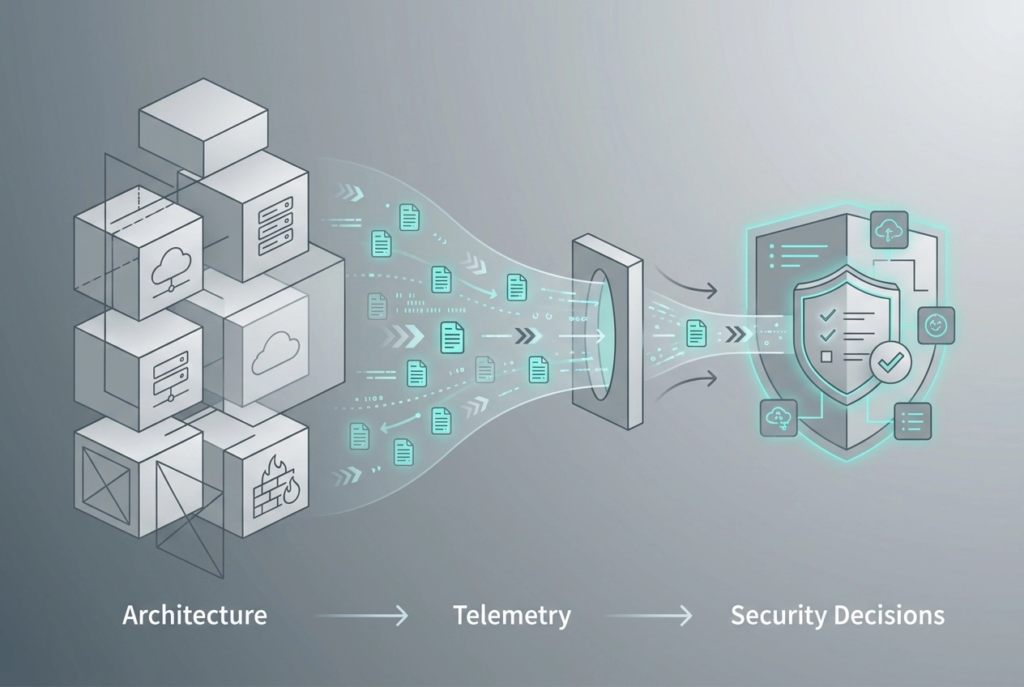
Frameworks help teams avoid blind spots. They should guide the review, not replace environment knowledge.
“MITRE ATT&CK is a globally-accessible knowledge base of adversary tactics and techniques based on real-world observations.”
— MITRE ATT&CK
ATT&CK is useful because it gives defenders a common language for adversary tactics and techniques. Still, mapping everything to ATT&CK without network context can become busywork. The value comes from connecting techniques to real assets, real paths, and real telemetry.
| Method | Best Use | Strength | Limitation |
| MITRE ATT&CK mapping | Mapping adversary tactics and techniques | Connects attack paths to known attacker behavior | Needs local network context |
| Attack surface analysis | Finding exposed systems and services | Works well for internet-facing and reachable assets | Can miss internal trust paths |
| Network traffic analysis | Validating real communication paths | Shows what actually talks on the network | Needs clean telemetry and tuning |
| Threat modeling workshops | Understanding business and system risk | Brings asset owners and security teams together | Can become theoretical without data |
| Vulnerability exposure mapping | Connecting weaknesses to reachable assets | Helps set remediation priority | CVSS alone does not show full attack paths |
In our work with network-focused teams, the best results usually come from combining methods. A workshop gives business context. Traffic data shows real paths. Vulnerability data shows weak points. ATT&CK helps frame likely attacker behavior.
No single method gives the full picture.
Product Considerations for Attack Vector Identification
Tools can help identify attack paths faster, but they can also create false confidence. A clean dashboard does not mean the network is clean. It may only mean the tool can’t see enough.
Product description
A useful attack vector identification tool or platform should connect network visibility, asset context, identity data, threat intelligence context, and detection coverage.
Look for capabilities such as:
- Asset discovery
- Network flow analysis
- Traffic behavior monitoring
- Firewall and segmentation visibility
- Identity and access context
- MITRE ATT&CK mapping
- Attack path visualization
- Risk-based prioritization
- SIEM and NDR integration
- Detection coverage reporting
- Executive-ready security summaries
For Network Threat Detection readers, the product value sits in the connection between attacker behavior and real network paths. A tool should help answer: “Where could an attacker go, and would we catch it?”
Pros
Strong tooling can help teams:
- Find unmanaged network assets faster
- Connect vulnerable assets to actual traffic paths
- Spot suspicious network behavior
- Support detection engineering
- Reduce low-value alert noise
- Build clearer threat hunting hypotheses
- Explain risk to leadership without drowning them in raw findings
A good platform can also help SOC analysts and risk teams work from the same evidence. That matters when teams need to move from “we found exposure” to “we know which path needs action.”
Cons
Attack vector tools still depend on data quality.
Common limits include:
- Missing telemetry from cloud, remote, or segmented environments
- Weak asset ownership data
- Poor identity integration
- Noisy risk scores
- Stale attack path maps
- Limited view into encrypted traffic
- Too much focus on findings, not action
Security teams often buy tools hoping they will fix weak process. They won’t. If nobody owns the review cycle, attack path data gets old quickly.
Dealbreaker
Weak visibility is the main dealbreaker.
If a tool cannot see assets, traffic flows, identity paths, or control gaps clearly, it may produce a nice-looking model that does not reflect the real network. That creates the worst kind of risk: confidence without evidence.
Best for
Attack vector identification tools are best for SOC teams, security engineers, threat hunters, and risk teams that need to connect network exposure, attacker behavior, and detection coverage.
They are also useful for leaders who need clearer security decisions. Not more raw alerts. Clearer decisions.
Common Mistakes in Network Attack Vector Reviews
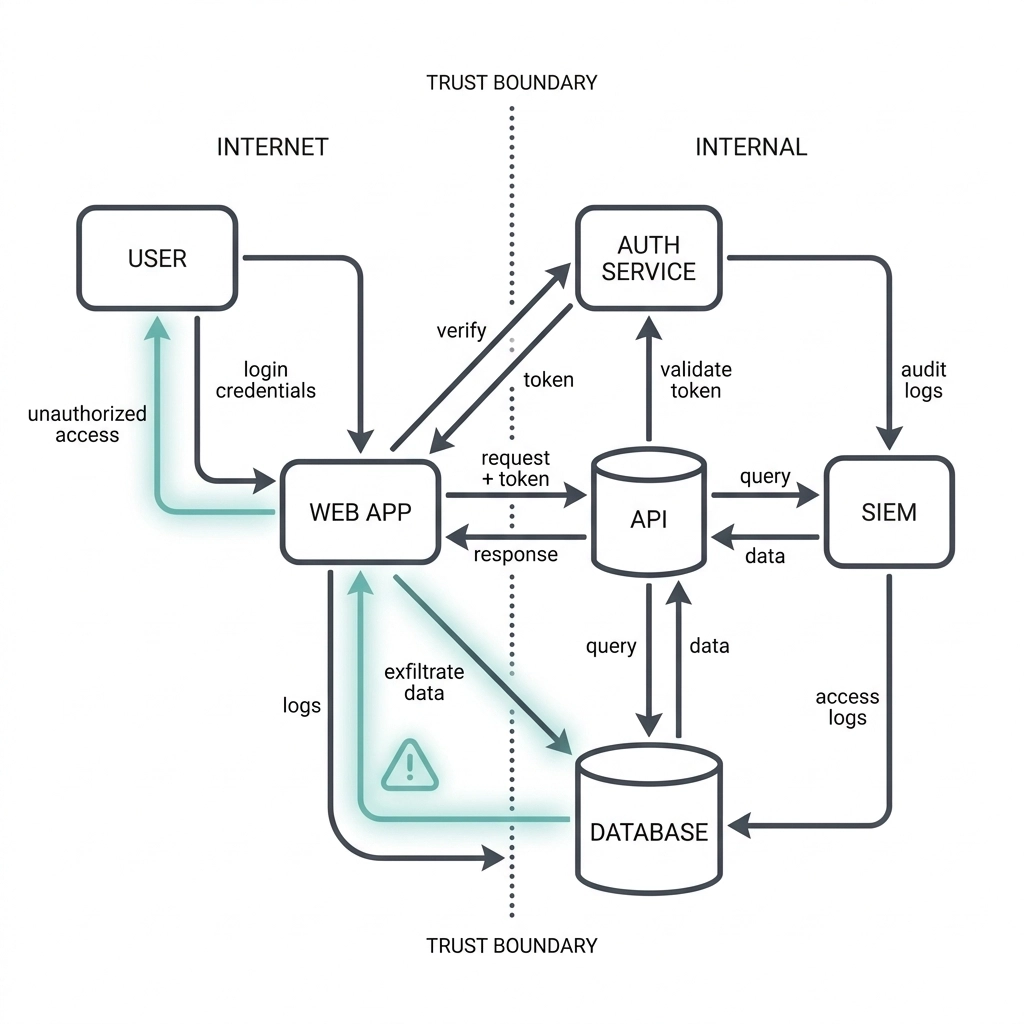
Many attack vector reviews fail because they become too narrow. Teams check one data source, make a list, and call the job done.
That approach misses how attacks actually work.
A common mistake is relying only on vulnerability scans. Scanners help, but they don’t always show reachability, business value, credential paths, or detection coverage. A critical vulnerability on an isolated system may matter less than a medium finding on a server that sits one hop from sensitive data.
Another mistake is trusting network diagrams too much. Diagrams age fast. Mergers, cloud projects, vendor access, emergency firewall changes, and temporary exceptions all leave traces. Attackers benefit from those traces.
This becomes more dangerous when unknown threats or zero-day activity are involved, because traditional tools may struggle when no known signature or patch-based signal exists, as shown in this article on limitations against zero day threats.
Other mistakes show up often:
- Ignoring service accounts and identity paths
- Treating internal networks as trusted
- Missing outbound command and control channels
- Reviewing internet-facing assets but not internal lateral movement
- Ranking risk only by vulnerability severity
- Forgetting cloud routes and third-party access
- Mapping attack vectors once, then never refreshing the model
- Creating reports that don’t lead to detection or control changes
The trade-off is simple. A fast review may produce a neat report. A practical review takes more effort, but it finds the paths attackers are more likely to use.
Best Practices for Identifying Potential Network Attack Vectors
Source: CISA
This video covers MITRE’s Decider tool, which helps defenders map observed adversary activity to ATT&CK tactics and techniques. It is relevant because attack vector analysis often needs a clear method for connecting network behavior to attacker actions.
Good attack vector work is repeatable. Teams don’t need a massive project every time. They need a clear rhythm and useful evidence.
Start with critical assets. Business impact should guide the review. If everything is treated as high priority, nothing gets fixed in the right order.
Each data source tells part of the story: vulnerabilities, traffic, identity, firewall rules, cloud logs, and threat intelligence. Together, they show attacker movement more clearly.
Use network telemetry to test assumptions. If a diagram says one segment can’t talk to another, check real flow logs. If policy says only admins use a jump server, check authentication and traffic records. Assumptions are where many hidden paths live.
Map controls to attack stages. For each likely path, ask:
- What would initial access look like?
- What would discovery create on the network?
- What logs would show credential abuse?
- What traffic would suggest lateral movement?
- What outbound behavior might show command and control?
- Where would data exfiltration be visible?
Keep the output practical. Every confirmed attack vector should lead to one or more actions:
- Add or tune a detection rule
- Remove an unnecessary firewall rule
- Add segmentation
- Reduce account privileges
- Improve logging
- Create a threat hunting query
- Update an incident response playbook
- Assign ownership for an unmanaged asset
Network Threat Detection can support this kind of work by helping teams connect visibility, attack path analysis, and detection coverage into a clearer risk picture. The value is not just “more monitoring.” It is better evidence for better decisions.
FAQs
What is a network attack vector?
A network attack vector is a path or method an attacker could use to access, move through, or abuse a network. Examples include exposed services, stolen credentials, weak segmentation, insecure protocols, and unmanaged devices.
How do you identify potential attack vectors in a network?
Start with critical assets, map how they are reachable, review exposed services and trust relationships, validate real traffic paths, then connect likely attacker techniques to those paths.
Why are vulnerability scans not enough to identify attack vectors?
Vulnerability scans show weaknesses, but they don’t always show how attackers can chain access, credentials, traffic paths, and control gaps together inside a real network.
How does network threat detection help with attack vector analysis?
Network threat detection helps by showing real traffic behavior, suspicious communication paths, lateral movement signals, and visibility gaps that static diagrams or scans may miss.
What does identifying potential network attack vectors improve?
Identifying potential network attack vectors improves risk prioritization, detection coverage, threat hunting, segmentation planning, and incident response readiness.
Wrapping Up Potential Network Attack Vector Identification
Identifying potential attack vectors network teams can act on is practical defense work. It takes asset context, traffic visibility, attacker behavior mapping, and honest review of control gaps.
A strong review does not chase every possible threat. It finds realistic attack paths, ranks them by risk, and turns them into better detection, cleaner access control, stronger segmentation, and clearer response planning.
For SOC and NTD teams, that matters because attackers move through real networks, not policy documents. The closer your model is to actual traffic and actual access, the more useful it becomes.
If your team wants better attack path visibility, detection coverage, and network defense planning, Network Threat Detection can help through the JOIN page.
References
- https://attack.mitre.org/
- https://csrc.nist.gov/glossary/term/cyber_attack