
A SIEM system is a centralized security layer that collects logs, events, and alerts from across networks, endpoints, and cloud services so teams can spot threats in real time and piece together incidents as they unfold, and it’s often used in security operations centers for visibility.
In many SOC environments, SIEM turns fragmented logs into a coherent view of activity, helping teams trace attacks across systems, and we often pair it with Network Threat Detection to spot unusual traffic earlier in the chain before escalation becomes harder to contain across environments. No surprise. Read on. Keep reading.
How SIEM Core Functions Work in Practice
Security Information and Event Management (SIEM) works by collecting and organizing security data from across systems, then turning it into actionable insights for detection and response.
- SIEM unifies multi-source logs into structured, analyzable security events across hybrid systems.
- Threat detection combines correlation rules, behavioral analytics, and intelligence-driven indicators.
- Incident response and forensic analysis reconstruct attacker behavior across timelines and systems.
How Does SIEM Collect And Standardize Security Data From Multiple Sources?
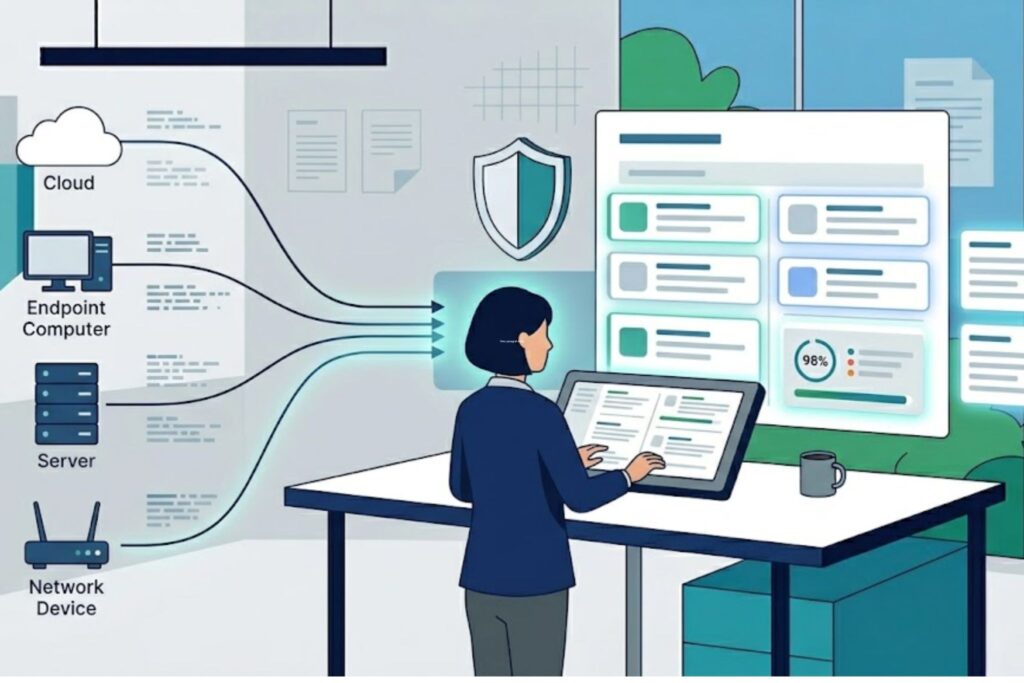
SIEM starts with raw data. Lots of it. Messy, inconsistent, and noisy. Its job is to make that usable, often supported by network security risk assessment software that helps structure how incoming security signals are evaluated across systems.
What Types Of Logs Does SIEM Ingest?
We typically see SIEM pulling from:
- Network devices like firewalls and routers
- Endpoints such as laptops and servers
- Applications including APIs and auth systems
- Cloud platforms and identity providers
Each source speaks a different “language.” Some use JSON, others syslog, others Windows event formats.
Without translation, none of it connects.
How Normalization Makes Security Data Usable?
Normalization is where raw logs get reshaped into a shared structure. Fields like timestamp, IP address, user ID, and action type get aligned so correlation becomes possible.
“developing, implementing, and maintaining effective log management practices throughout an enterprise.” – Guide to Computer Security Log Management
That is why platforms like Exabeam rely heavily on this step because behavior tracking breaks fast if data is inconsistent. We’ve seen cases where missing normalization created blind spots that looked like harmless noise, until later analysis showed they weren’t.
SIEM Ingestion And Transformation Pipeline
| Stage | Function | Why It Matters |
| Log Collection | Gathers raw security data | Full visibility across systems |
| Parsing | Extracts usable fields | Turns noise into structure |
| Normalization | Standardizes formats | Makes cross-system comparison possible |
| Aggregation | Groups repeated events | Reduces overload and alert fatigue |
When ingestion is weak, everything after it suffers. We’ve seen SOC teams struggle with false negatives simply because logs arrived late or incomplete.
How Do Correlation And Detection Uncover Real Cyberattacks?
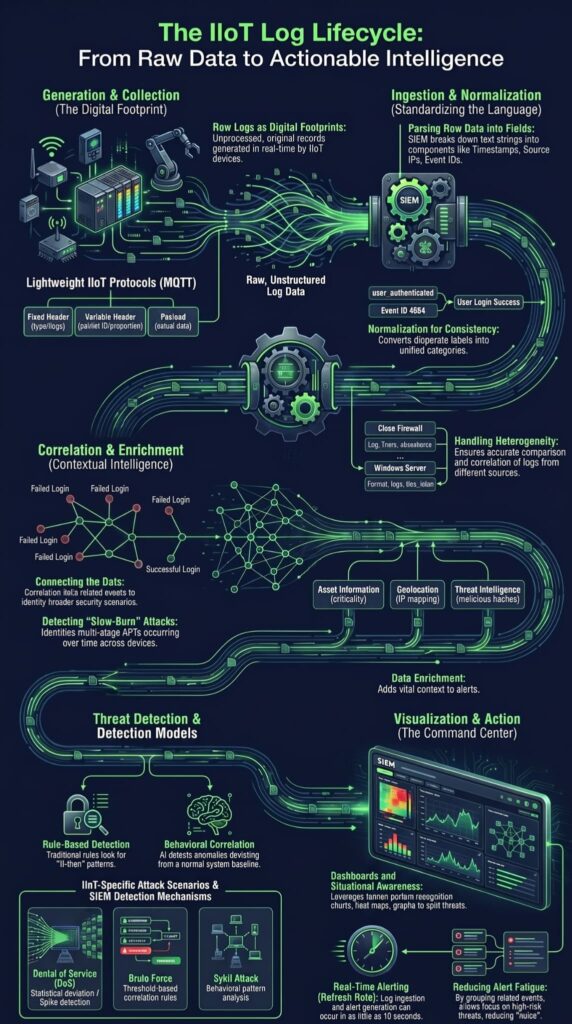
At this stage, SIEM stops being a data collector and starts acting like an analyst assistant. It connects the dots between events that look unrelated at first glance, especially when teams combine correlation logic with network security risk analysis techniques to understand which signals point to real attack behavior.
Successfully parsing and normalizing data prepares the system for its most important job: active correlation. This is where the platform transitions from a quiet data collector into an active defense tool.
What Is Event Correlation In SIEM?
Event correlation links multiple logs into a single incident view. One login attempt doesn’t say much. Ten failed attempts, followed by a success from a new location, tells a different story.
The Australian Cyber Security Centre describes SIEM as a platform that “collects, centralises, and analyses log data” for cybersecurity purposes.
That explains why correlation is more than simple log storage. It helps analysts connect scattered signals into a clearer incident pattern.
Common scenarios include:
- SIEM lateral movement detection
- SIEM unauthorized access detection
- SIEM attack pattern detection
We’ve seen environments where correlation caught credential abuse only after linking identity logs with endpoint behavior. Without that link, it would’ve looked like normal activity.
Why Behavioral Detection Matters More Than Signatures?
Signature-based detection only works when the threat is already known. That’s its limit.
Behavioral detection looks at “what’s normal here” and flags deviations. We’ve seen this matter most during early-stage intrusions where attackers avoid known malware signatures entirely.
How Does SIEM Deliver Real-Time Monitoring And Alerting?
Once detection is active, SIEM shifts into continuous monitoring mode. It doesn’t wait for humans to ask questions, it pushes alerts when something changes.
What Real-Time Monitoring Looks Like?
In live SOC environments, SIEM dashboards usually show:
- Login attempts across systems
- File access spikes
- Network traffic anomalies
- Cloud API activity changes
It’s a constant stream. Not always alarming, but always watched.
We’ve worked with setups where even small changes in authentication patterns were enough to trigger deeper review. That level of sensitivity is useful, but only when tuned properly.
How Alerting Systems Reduce Response Delays?
Alerts are usually grouped by severity. A few examples:
- Multiple failed logins → brute force warning
- Sensitive file access → exposure risk alert
- Suspicious IP connection → high priority incident
This is where SIEM incident triage comes in. Analysts decide what matters first, not everything at once.
We’ve seen teams overwhelmed before prioritization was tuned. After tuning, response times dropped noticeably.
Why Alert Prioritization Matters?
Without prioritization, everything looks urgent. That’s where alert fatigue starts.
Risk-based models like SIEM risk-based alerting help adjust severity based on context, asset value, user behavior, and anomaly strength. This is also where teams often compare qualitative and quantitative risk analysis so alert priority reflects both business impact and measurable threat likelihood.
How Do SIEM Systems Support Incident Investigation And Response?
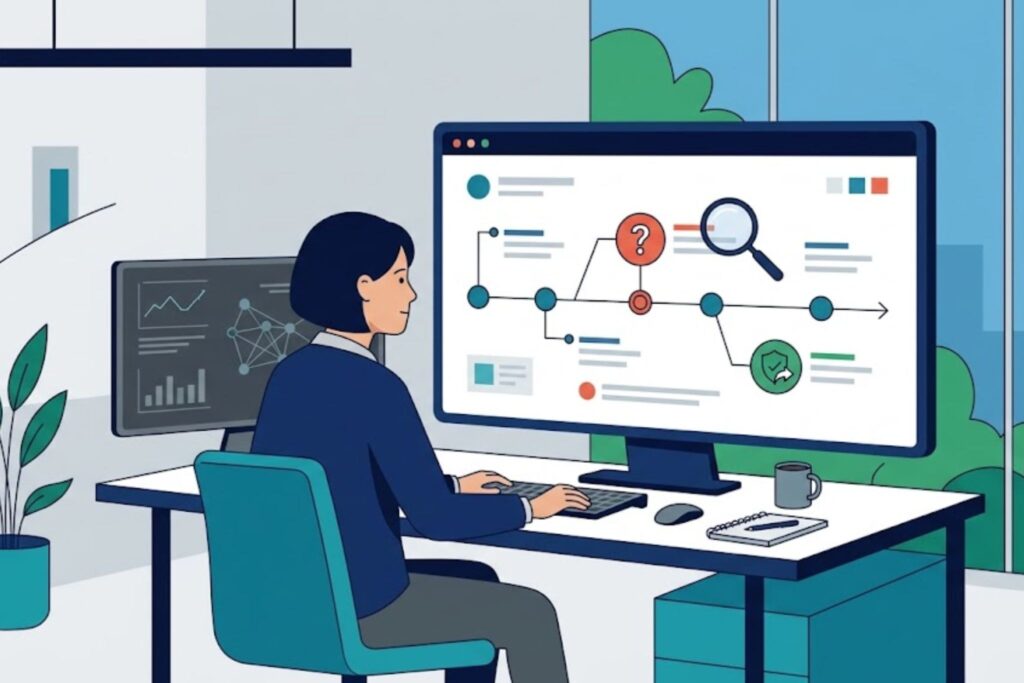
Once an alert is confirmed, SIEM shifts from detection mode into reconstruction mode. It starts answering: what happened, when, and how far it went.
What Forensic Analysis In SIEM Enables?
SIEM investigation tools help rebuild timelines across systems:
- SIEM forensic investigation of accounts
- SIEM ransomware investigation across endpoints
- SIEM audit trail reconstruction of user actions
We often trace backwards from the alert point. That helps identify the first sign of compromise, not just the latest symptom.
How SIEM Connects To Incident Response?
Modern SIEM platforms often integrate with automation systems known as SOAR.
This enables actions like:
- Isolating endpoints
- Resetting credentials
- Blocking IP addresses
- Terminating sessions
We’ve seen response times shrink significantly when automation is properly configured. Not because humans are removed, but because repetitive steps are handled faster.
Why Is SIEM Essential For Compliance And Security Reporting?
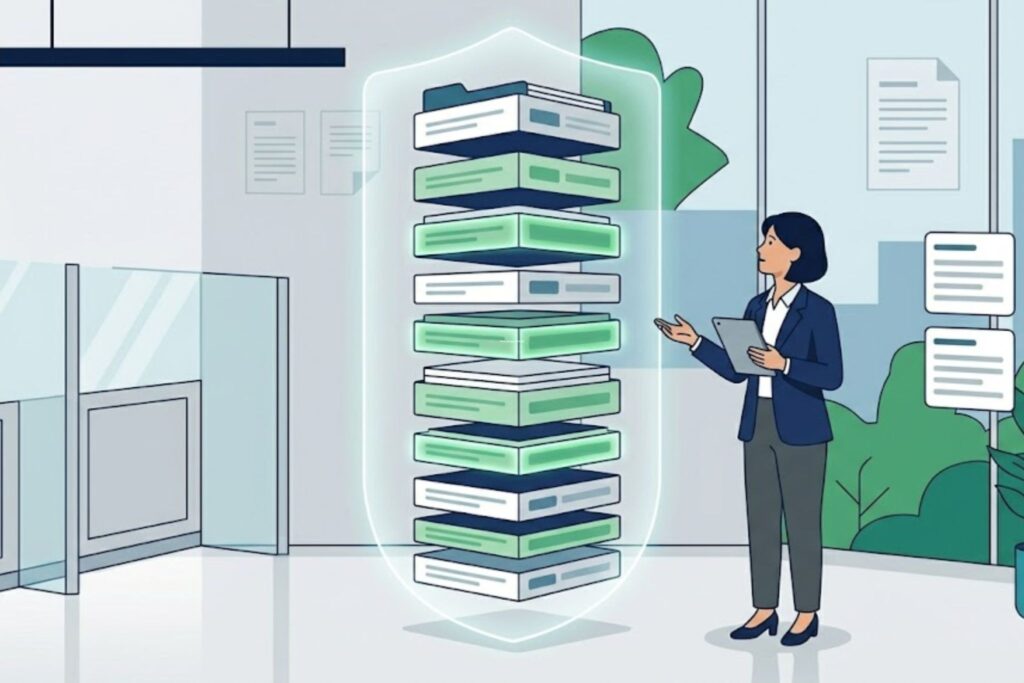
Outside of active threats, SIEM plays a quieter but important role: record keeping.
What Compliance Reporting Includes?
SIEM systems generate structured reports such as:
- User access history
- Configuration changes
- Incident timelines
- Privileged activity logs
What Are The Limitations Of SIEM And Where It Struggles?
Source: Day Johnson
SIEM is powerful, but not flawless. It depends heavily on setup quality and surrounding tools.
Why False Positives Happen?
Poorly tuned rules create noise. Too much noise slows down real investigation.
We’ve seen SOC teams ignore alerts simply because there were too many false alarms. That’s a dangerous pattern.
When SIEM Alone Is Not Enough?
Modern security stacks usually extend SIEM with:
- EDR for endpoint depth
- XDR for cross-layer visibility
- Cloud-native monitoring tools
Each fills gaps SIEM doesn’t fully cover.
FAQs
What are SIEM system core functions in cybersecurity operations?
SIEM system core functions include log collection, data normalization, event correlation, threat detection, security monitoring, incident investigation, and compliance reporting. These functions operate as a connected workflow that processes security data from multiple environments into structured and actionable information.
In cybersecurity operations, SIEM continuously transforms raw logs into meaningful security events that help analysts understand activity patterns, identify risks, and respond to incidents in a controlled and systematic way.
How does SIEM log collection function support security monitoring?
The SIEM log collection function gathers security data from servers, network devices, applications, cloud platforms, and endpoints. This process supports SIEM security monitoring by ensuring that all relevant system activities are captured and stored in a centralized location.
SIEM multi-source log ingestion, syslog forwarding, SNMP data, and API-based integration allow consistent visibility across environments. This unified data flow enables analysts to detect abnormal behavior earlier and maintain continuous oversight of system activity.
Why is SIEM event correlation important for threat detection?
SIEM event correlation is important because it connects multiple related events into a single security context. Instead of analyzing isolated logs, SIEM correlation rules combine activities such as repeated login failures, unusual privilege changes, and abnormal network access.
This approach improves SIEM threat detection by revealing attack patterns that indicate coordinated actions, including brute force attempts, lateral movement, and unauthorized access. Without correlation, these events would appear unrelated and significantly reduce detection accuracy.
How does SIEM incident response and forensics investigation work?
SIEM incident response manages security alerts through structured investigation workflows that include triage, classification, and escalation based on severity. SIEM forensics investigation uses historical log data and audit trails to reconstruct the full timeline of an attack.
Analysts can identify the origin of the incident, trace affected systems, and determine the sequence of actions performed by the attacker. This structured analysis supports accurate containment decisions and improves response consistency across security teams.
How does SIEM support compliance reporting and long-term security visibility?
SIEM compliance reporting generates structured audit outputs that support regulatory requirements such as PCI DSS, HIPAA, GDPR, and ISO 27001. SIEM historical data retention ensures that past security events remain accessible for audits, investigations, and policy verification.
The system also maintains detailed audit logs that provide transparency over user and system activity. This long-term visibility helps organizations evaluate security posture, identify recurring risks, and improve overall governance across their cybersecurity environment.
Strengthening SIEM Core Functions for Modern Security Operations
SIEM already sits at the center of security operations, but you still deal with scattered logs, noisy alerts, and slow investigation when incidents pile up. It can feel like you are reacting instead of truly understanding what is happening across your environment. The pressure builds fast when visibility is incomplete and decisions take too long.
For a more structured next step, Network Threat Detection Platform can extend SIEM visibility with real time threat modeling and automated risk analysis. It helps teams turn raw signals into clearer decisions and faster response without adding complexity. This makes your existing SIEM setup more actionable in day to day operations.
References
- https://csrc.nist.gov/pubs/sp/800/92/final
- https://www.cyber.gov.au/business-government/detecting-responding-to-threats/event-logging/implementing-siem-soar-platforms/implementing-siem-and-soar-platforms-practitioner-guidance